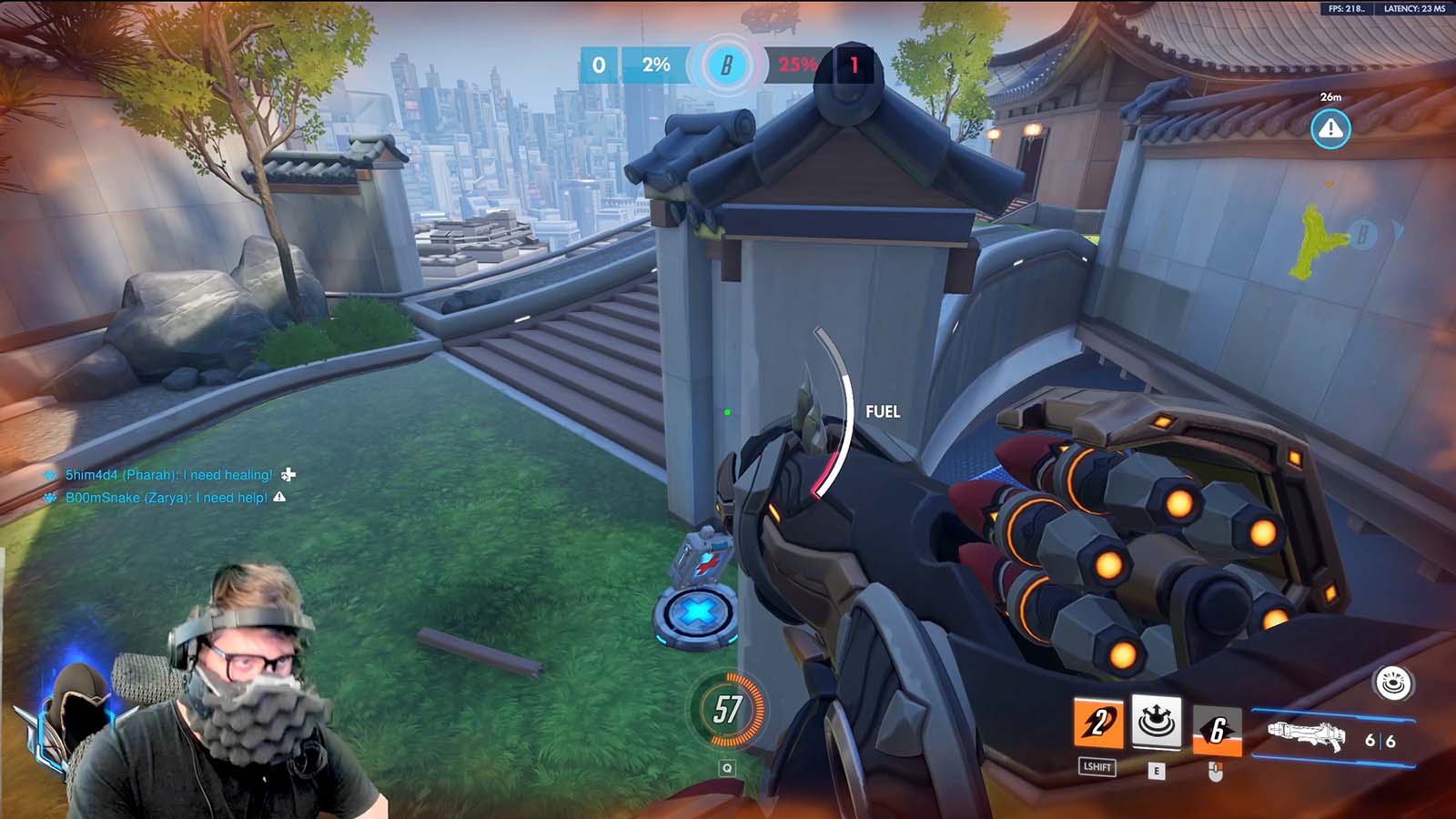
I like video editing. Or rather, I like parts of it. I've been doing this as a hobby and career for about the time it took Disney to make Moana, Moana 2, and then Moana again. Twice. I learned how to splice film. Hated it. Made a star wipe with two VHS decks. Thought it was stupid.
By the early 2000s, though, something changed. The technology was getting better. Once, in a college film course, I had to recut a fight scene from the old western Gunsmoke in Final Cut Pro. Every student did. That's when it clicked for me. There was something about the control and the speed of removing fat to make something look half decent.
This week, 20 years later, I'm still editing. One client wanted a podcast, another wanted social clips, and then my own personal work (gamer mask). Since I'm in no way finishing my muzzle video this week, I thought hey, why not write about video editing and how it's evolved through my personal lens? Because barfing out my thoughts is still easier than stitching together a bunch of bad takes and glitchy audio.
Logging Footage
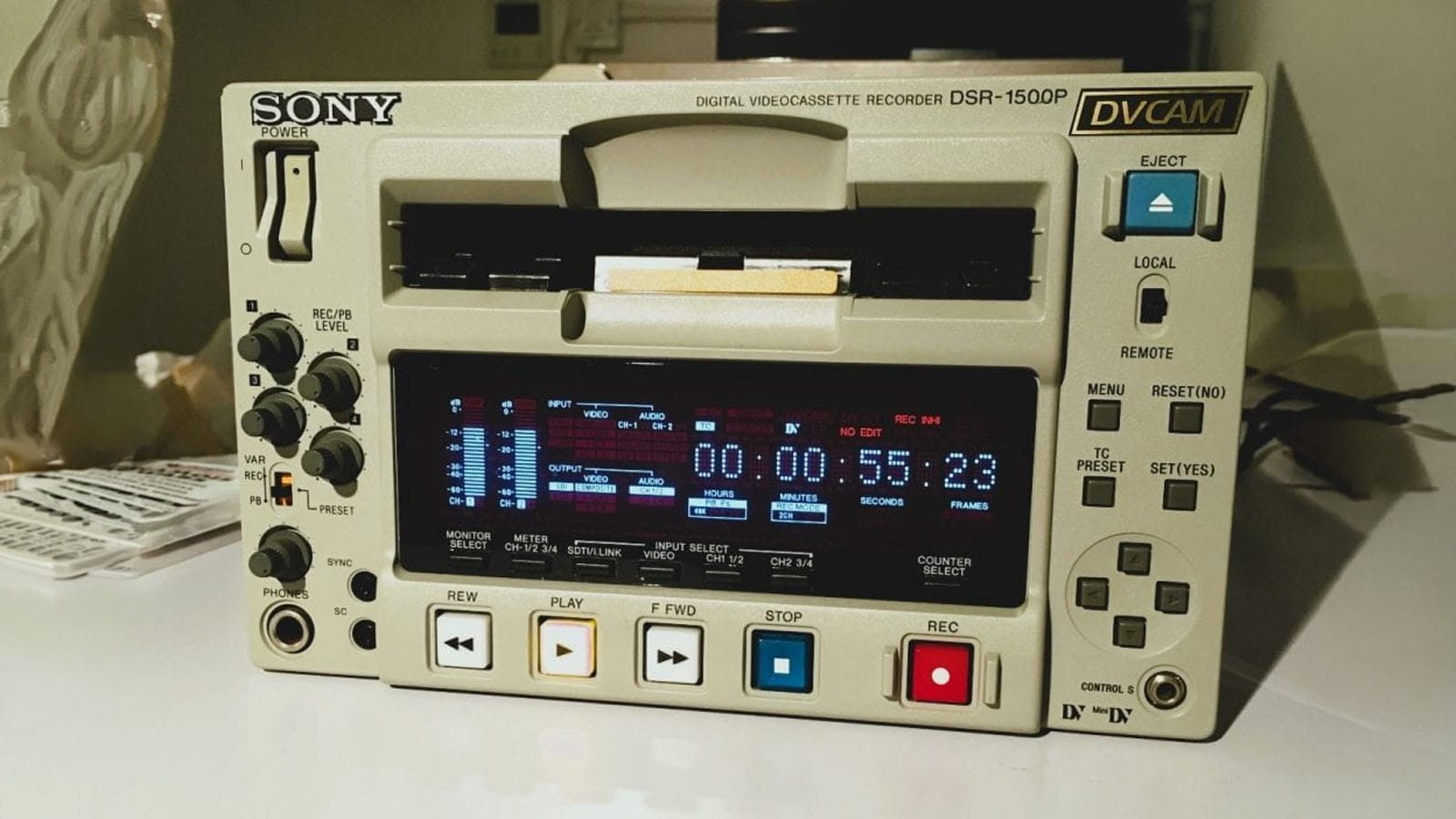
Let me explain something to anyone who started capturing gameplay after, say, 2012. You have no idea. None.
In the MiniDV era, capture happened in real time. If you recorded an hour of gameplay, you then sat there for another hour while the tape played back into your computer over FireWire, watching footage you had just watched, like some kind of content purgatory. And because tape was linear and hard drive sizes were abysmal, you logged while it captured. Miss a moment? Congratulations, you're scrubbing a physical tape to find it again, and every scrub brings that tape one step closer to eating itself inside a deck that costs more than your rent.
Watching things go into a computer slowly was not fun, but it gave you a lot to think about in terms of career choices.
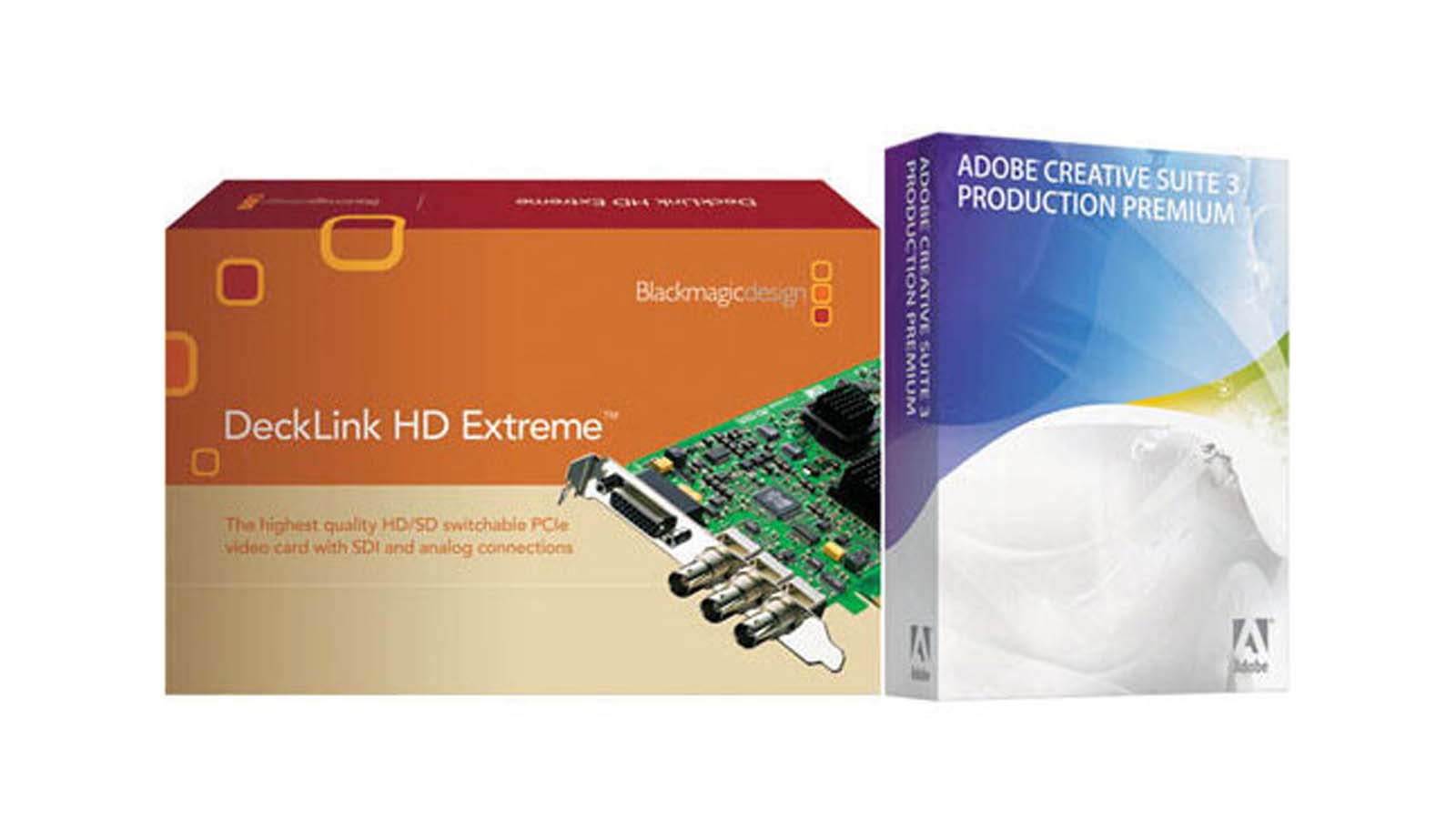
Within five years everything started to change. HD Capture cards dropped below $500. On-system capture arrived via Fraps, which recorded gameplay by setting your CPU on fire. Hauppauge boxes once used by retirees to record Matlock got repurposed to capture an entire generation shouting racial slurs in Call of Duty. Each step a little less miserable than the last. And now? Now it's a feature of the graphics card. OBS, infinitely more robust than Fraps could ever be, is free and sips resources, while an 8TB hard drive is still relatively affordable.
Instead of logging each live camera shot, you just plop in an SD card and organize your folder. It's maddening if you think about it too long.
The entire discipline inverted itself. I used to log footage to save space. Now space is practically unlimited. Twenty-year-old me, hunched over a deck with a legal pad, would have committed crimes for this.
Multicam
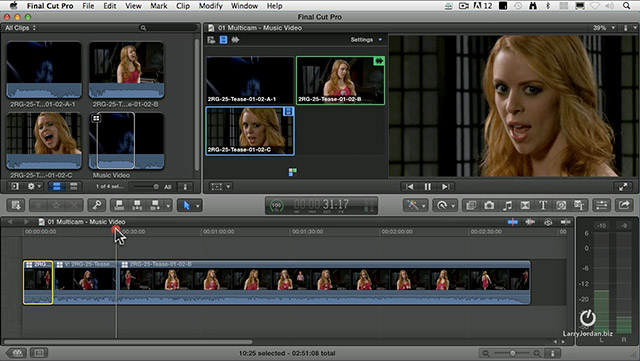
Multicam editing by hand was a specific flavor of hell that I want to preserve here for the historical record. You stacked every angle on its own track. You synced them by finding the clap, or the flash, or some poor bastard's cough that happened to be audible on all four cameras. You prayed nothing drifted, because consumer cameras did that. And then you razor-bladed between angles, cut by cut, for the entire runtime, watching people make jokes about The OC or what happened on LOST that week.
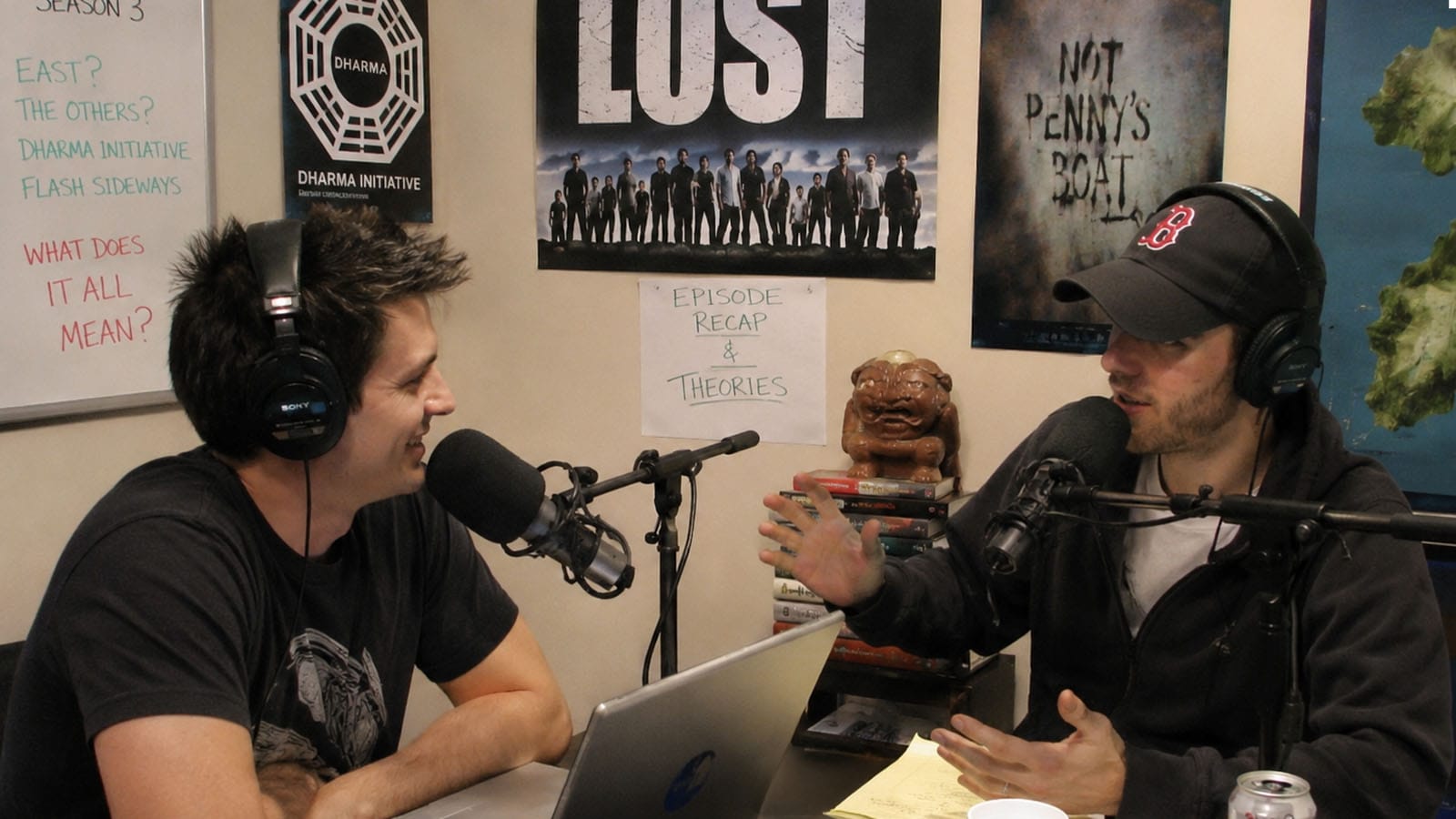
When Final Cut Pro shipped real multicam, it genuinely blew my mind. Suddenly it felt like directing live TV. All your angles up at once, tap between them in real time, done. It was one of those features where you spend the first day just giggling.
Fast forward to the podcast era. Now there are tools like AutoPod that watch who's talking and cut to them automatically, which is great. Except the yearly renewal. I don't care for that.
So here's the part that broke my brain a second time. Recently, instead of paying for the tool, I described the tool to Claude and asked it to build me one. And it did. A free script that removes about 90% of the labor.
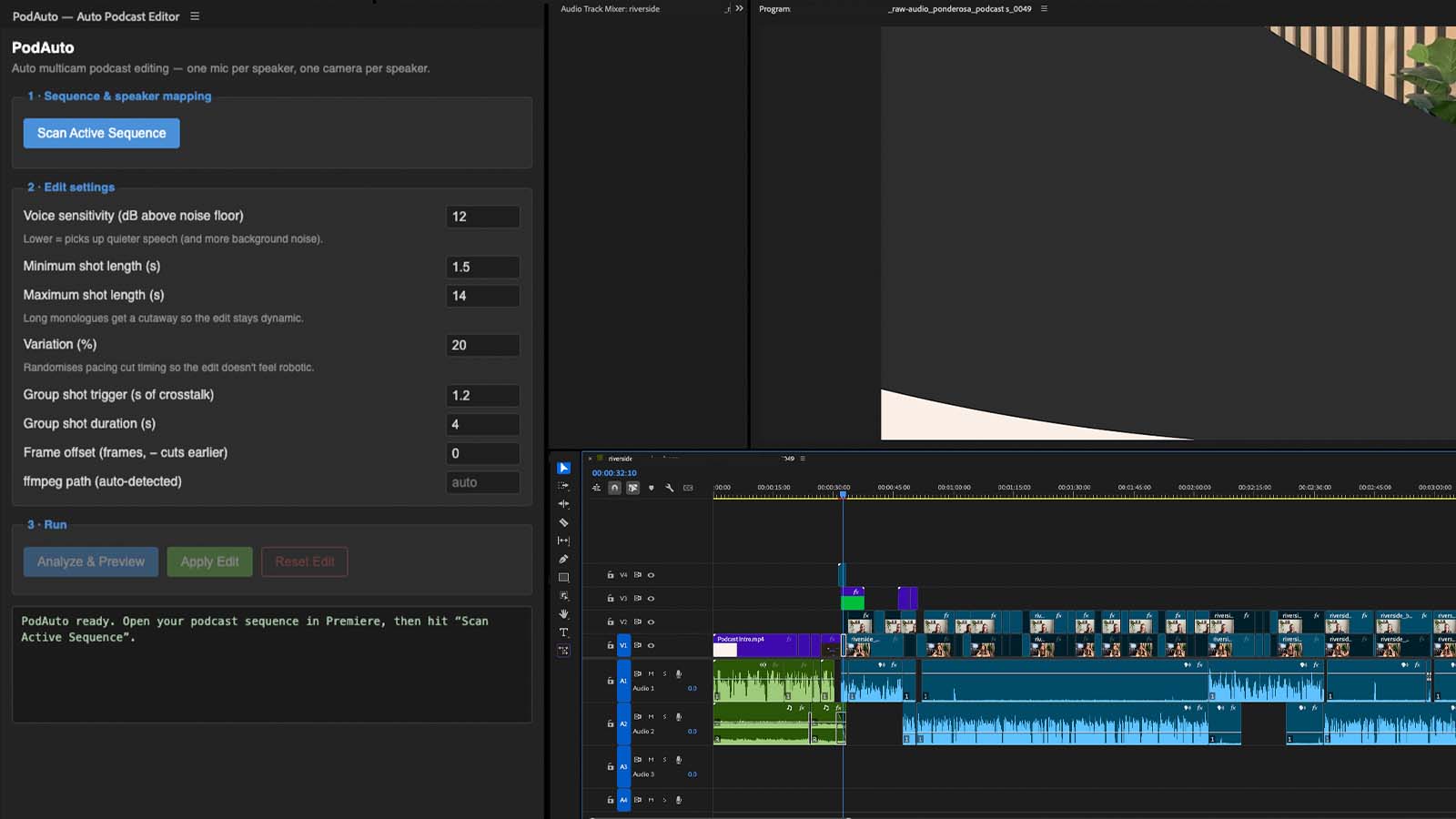
As always, my slop is your slop.
Sit with that progression for a second. The task became a feature. The feature became a product. The product became a subscription. And now the subscription has become a prompt. I described a problem out loud, basically, and got a tool.
Again, I want to build a time machine, go back, and show 18-year-old me that the work he's doing one day will be automated and the computer he's editing on is less powerful than the phone in my pocket. Explain that all the work he's putting in leads not to an illustrious career in film but to a future where he yells at chatbots and blogs about yelling at chatbots.
Rotoscoping
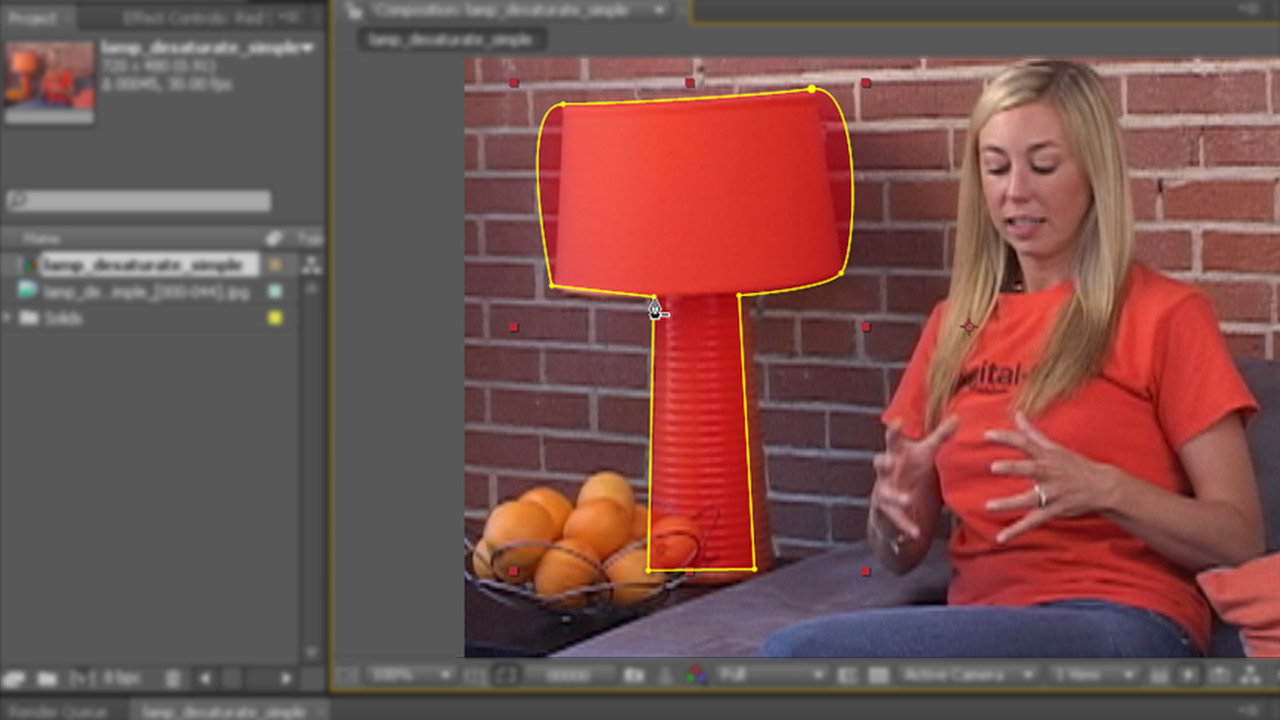
Shake was a node-based compositing app that Apple bought, sold for $499, and then took behind the barn. They used it on the Lord of the Rings trilogy, so imagine my surprise when a buddy gave me a pirated version to mess around with. The only thing I managed to take away from it was some rudimentary rotoscoping, which is the art of drawing a shape around a thing, frame by frame, by hand, until you find a more fulfilling life purpose or end it all right there.
You want to cut a person out of their background? Cool. Draw a spline around them. Now advance one frame. They moved. Adjust every point. Advance one frame. Adjust every point, feather, paint. Then the project crashes again.
You do this several thousand times for a shot that might not get used. A single garbage matte could eat an entire day, and being genuinely good at roto was a career. People fed families doing this.
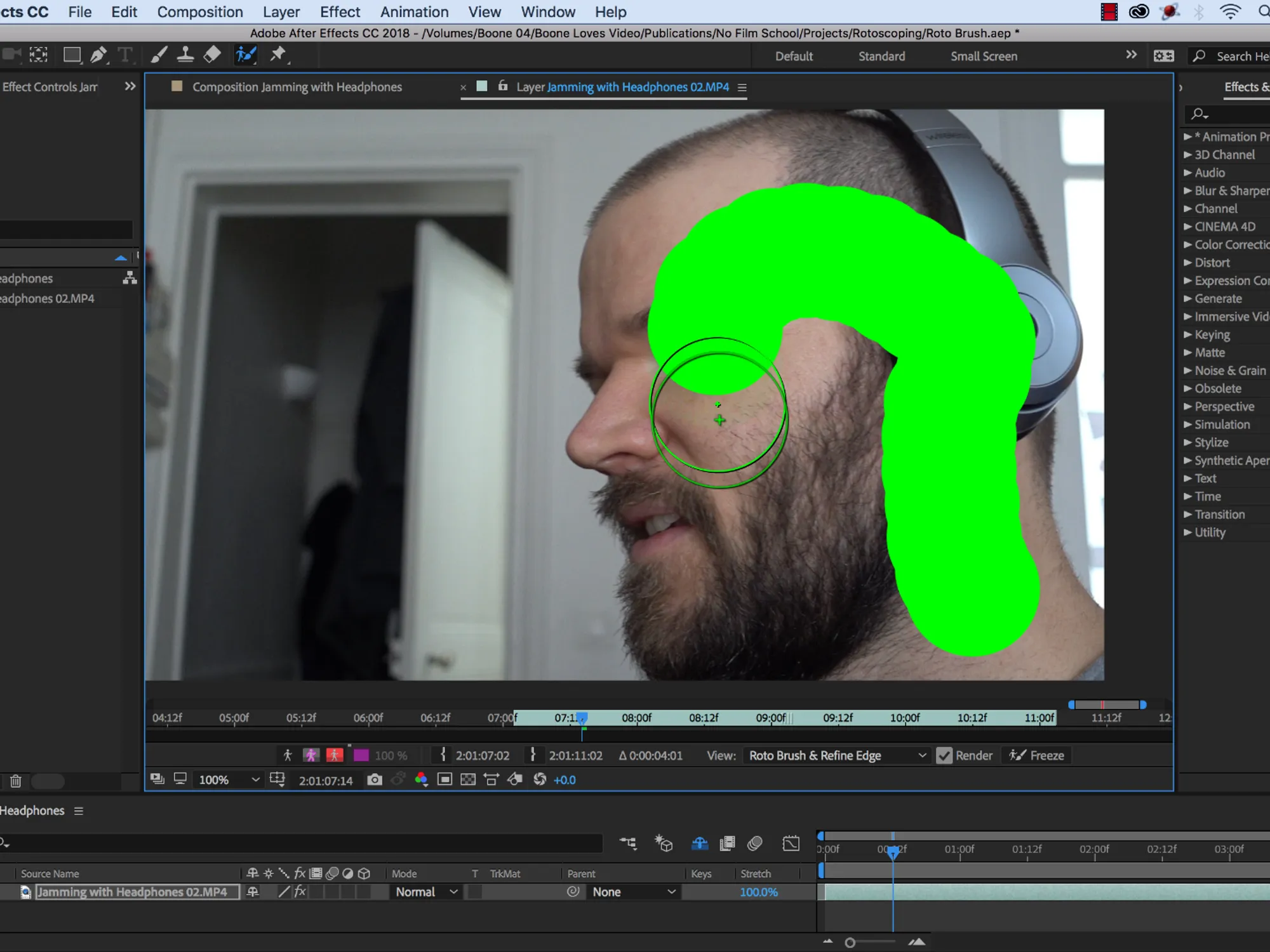
Then Rotobrush showed up in After Effects, and it was the first "wait, computer good now?" moment. Janky, sure. It would occasionally decide that your subject's hair was part of the wall and hallucinate accordingly. But the time savings felt unreal.
And now it's Magic Mask in Resolve, or Runway, or a half dozen other things, and it's close enough to one click that the remaining skill is mostly knowing when it fails. I spent real years of my life developing an ability that is now a button. And here's my honest, unfiltered take on that: fine. Great, even. Rotoscoping was never the art. Nobody watched a video and said "incredible splines." It was invisible work at best.
The Part Where I Circle Back and Pretend This Was Structured All Along
So back to today. I'm sitting here debating whether I finally swap to DaVinci Resolve or stick with the Adobe devil I know. Claude Design just slapped together an animated podcast intro that would have taken me a day, even with an After Effects template lifted from Envato. The podcast I started this morning is pretty much done, and I'm already asking Codex to build a free Buttercut alternative.
But so far, none of these tools has replaced the part of editing I actually enjoy. They evaporated the boring 80% of three different tasks and left the part that was always the fun part: making something. Knowing when to punch up a moment or remove it entirely. Knowing that the roto is good enough because no one cares about your feathering technique.
The logging, the syncing, the splines: that was never the craft. Those were the reps put in to get better, and we told ourselves it built character because our fathers were off doing something else. The machines took the tape decks and the physical razor blades and the frame-by-frame penance, and what's left is the part a computer still can't do, which is to make something that you give a damn about.