



I'm a fan of the free market. The free market is not a fan of me.
I like owning things. I don't like them taking up space. I love the convenience of streaming, just not the $15 Stranger Things tax every month. So I bought a movie from Amazon. They took my money. A few months later, their license expired. I don't own that movie anymore.
Five years ago I built a webpage on Squarespace. Static site, $50 to start. They wanted $200 a year to keep it running. The power button fell off my TV remote. No replacement available. "You need to buy a new remote, that'll be $60."
This is the deal we've all quietly accepted: pay forever, own nothing, and hope the company doesn't change its mind. A long game of corporate conditioning that's been slowly eating at us. Right now we're somewhere between "maybe this will get better" and "fuck it, burn it all down."
I've reached the burn-it-all-down phase. It pushed me into an entirely new world—one that's unbound, less polished, and way more fun.*
Self-Hosting
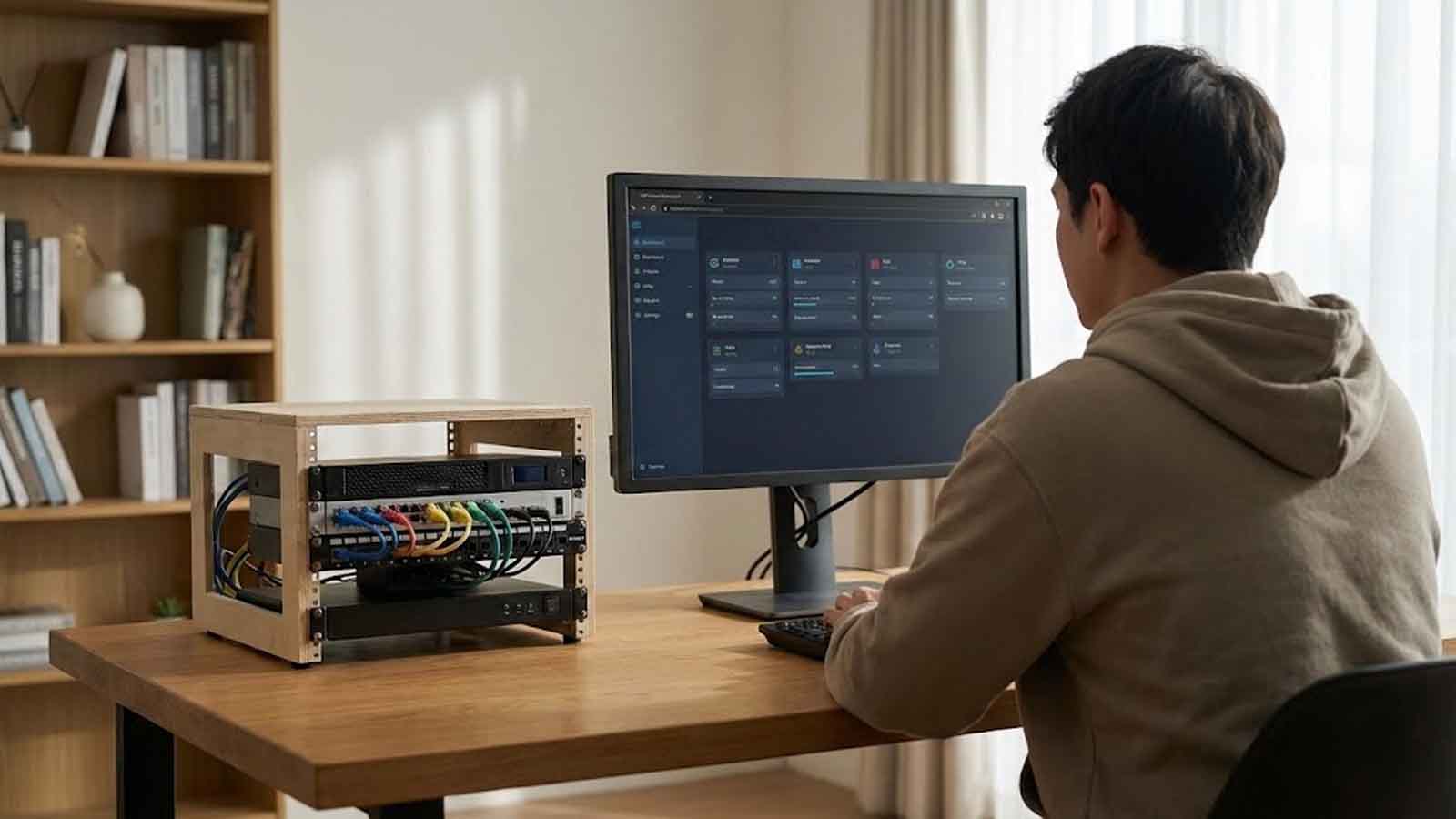
A quick disclaimer: this is not a money-saving venture. Maybe in the long run it will be, but I'm not meticulous enough to prove it with a spreadsheet. Everything I mention here comes with some investment: hardware, parts, upgrades, refills. I'm a fan of repurposing old gear when I can. Freedom isn't free, but it's a worthy investment.
You're going to see the term "self-hosting" a lot. It basically means running your own little slice of the internet from your home. A private server, a safe playground where you can fall over and shit yourself all day without anyone judging you.
Moving Pictures

First, to tackle the Amazon problem of not retaining The Land Before Time Tetrakaidecalogy: Plex.
I'd been using it for years and was grandfathered into their ecosystem. They've made some questionable business decisions lately, but it's still my top choice for streaming my own content. Alternatives like Jellyfin are great and keep getting better. Either way, these programs run on just about anything.
The only caveat: whatever you stream from needs to be powered on. Not rocket science, but having to boot up a separate machine gets old. I went with a low-powered Synology NAS built for transcoding media.
I'm not going to explain exactly how you buy the Land Before Time Criterion Collection, rip the discs, and add them to your library. Just know it's not hard. Before long, you'll be watching Little Foot, Ducky, and Rainbow Face #2 whenever you want.
This is just the first layer of a thick, smelly onion. If you're interested in spooling up your own music server, we put together a companion piece over here. Once you control your own media, you can do things like build your own video store or create programmable TV channels. It's not a 100% replacement for every streaming service; especially if you have loved ones who depend on you for weekly FRIENDS reruns. But if that's all you're watching, maybe it's time for a more permanent solution.
Hosting your own internet
A few years back, a client wanted a website but didn't have much money. I looked into WordPress as an alternative to the name-any-fucking-podcast approved Wix and Squarespace. That led me down a rabbit hole: I could pay WordPress.com to host a site, or I could install it on my own server for much cheaper.
The problem was delivering that content to the client. I didn't know the first thing about reverse proxies, tunneling, or anything else that was probably slang for gay sex in the 70s.
This was still early days. I relied heavily on Reddit posts, random Ukrainian websites, and YouTube videos. From there I cobbled together something that kind of worked. It ran like complete ass and was tied directly to my home IP address. Don't do this.
But you know what? I liked it. I wanted to get better, see what else I could host. I just needed help.
That's around the time ChatGPT showed up.
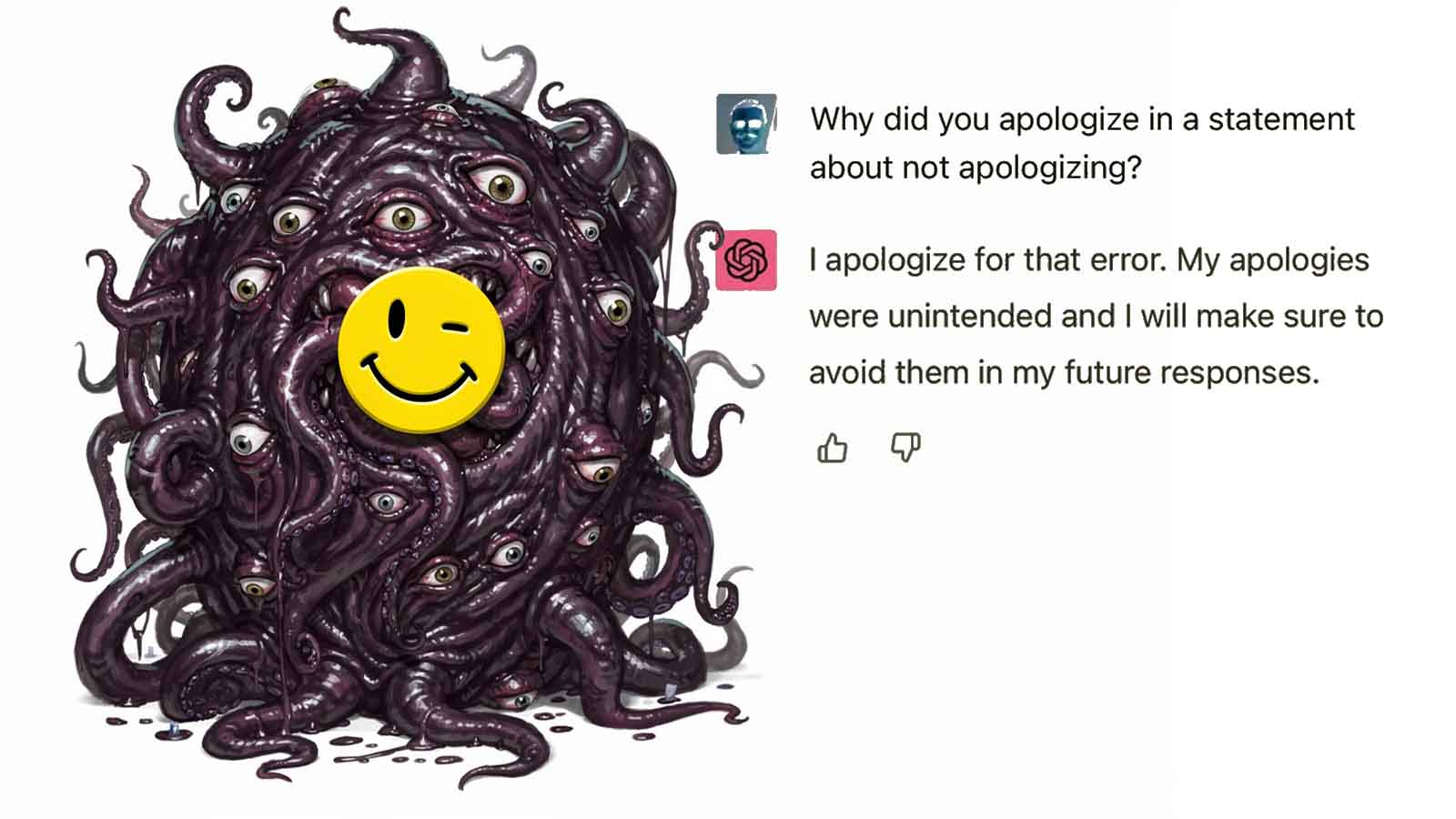
AI.
I have mixed feelings about this technology, based largely on a film starring a hopeful Haley Joel Osment.
It's like a helper monkey that went to college longer than I did. A patient tutor that doesn't judge me for asking stupid questions. I once submitted an error log on Discord and got mocked because it was an .rtf instead of a .txt.
AI has yet to hurt me like that.
To me, AI is cutting out the middleman. Wholesale knowledge. Problem-solving without gatekeeping. I've accomplished more this past year with AI than I ever could through Upwork or Fiverr; platforms where people ghost you mid-project, then still send a bill. It's not a silver bullet. It makes mistakes. But far fewer than I do.
Right now I have the ideas and AI helps me execute them. The pace of development gives anyone whiplash, and I try to keep up without picking a side. I don't want to be dependent on it. I also can't pretend it's not here. It's a tricky balance. Avoiding the AI-apologist side on one end, vibe-coding energy vampire label on the other.
I might be in the minority here, but I think this technology is genuinely great for the quiet, curious individual. Not for those looking to get rich quick or automate their way to an easier life. Maybe that's part of why the backlash feels so visceral, and honestly, I get it. I don't want this stuff destroying the planet or eating my job either. I just want it to make what I do better, and open up creative solutions that previously felt out of reach.
Speaking of which: hey, check out my app.
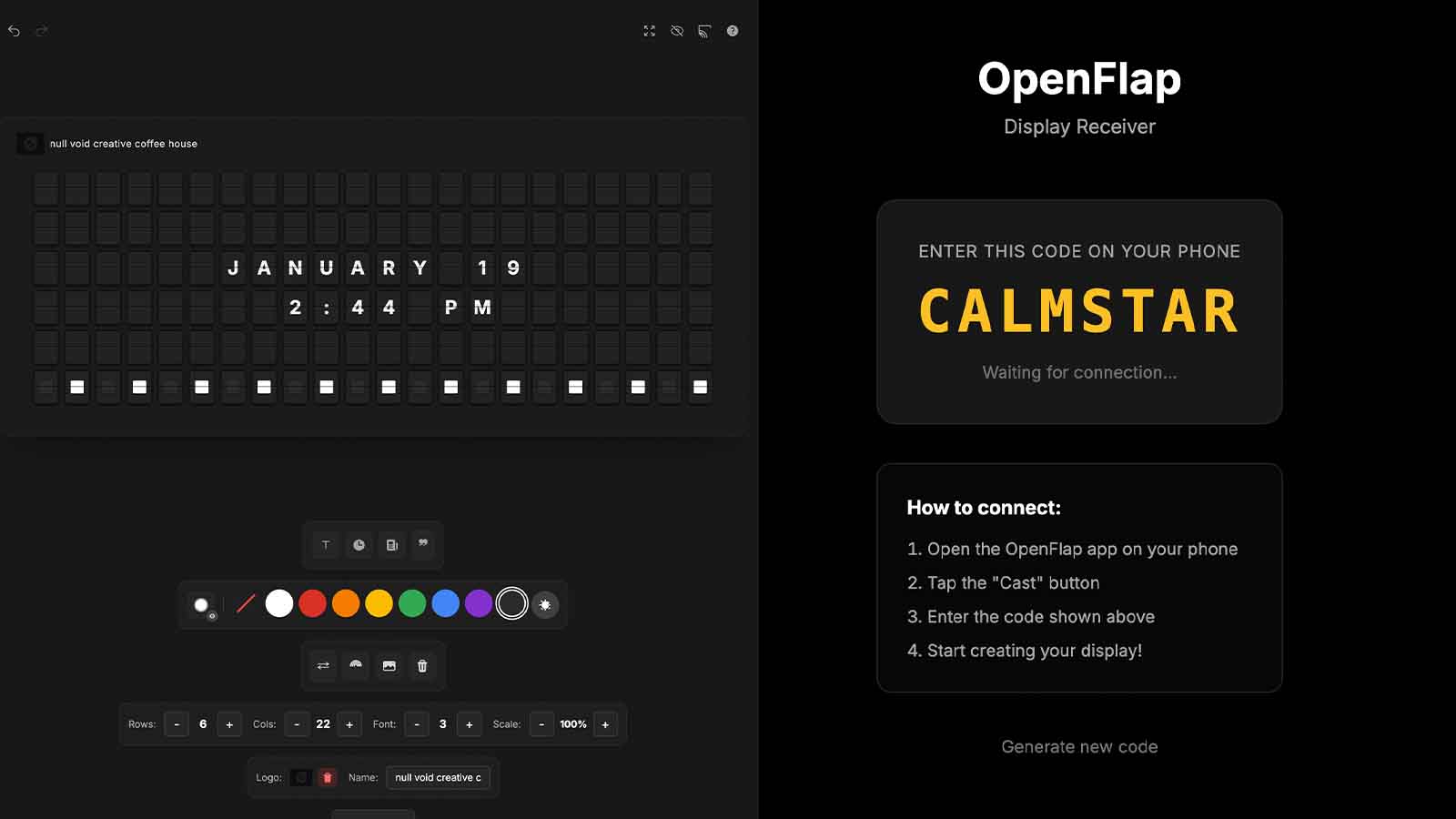
I kid! ...kind of. It's not ready for public consumption. It might never be. That's the point.
Here's how it started: I saw a Vestaboard at a coffee shop. It looked amazing. I thought, "I'd pay $500 for that." The website wanted $4,000.
Nope.
I searched for a cheaper alternative, something that could run on a TV or tablet but nothing scratched the split-flap itch. Too many subscriptions, too few features. So I asked Claude to build what I wanted. The result was a broken mess. I took it to Google AI Studio. Less broken. Then Claude Code. Then Gemini CLI. Now it's a kind-of-working iOS/Android app.
I have no intention of monetizing it. It's just a thing I wanted for me.
There's an app for that
Let’s talk web apps. What’s a web app? Good question, me.
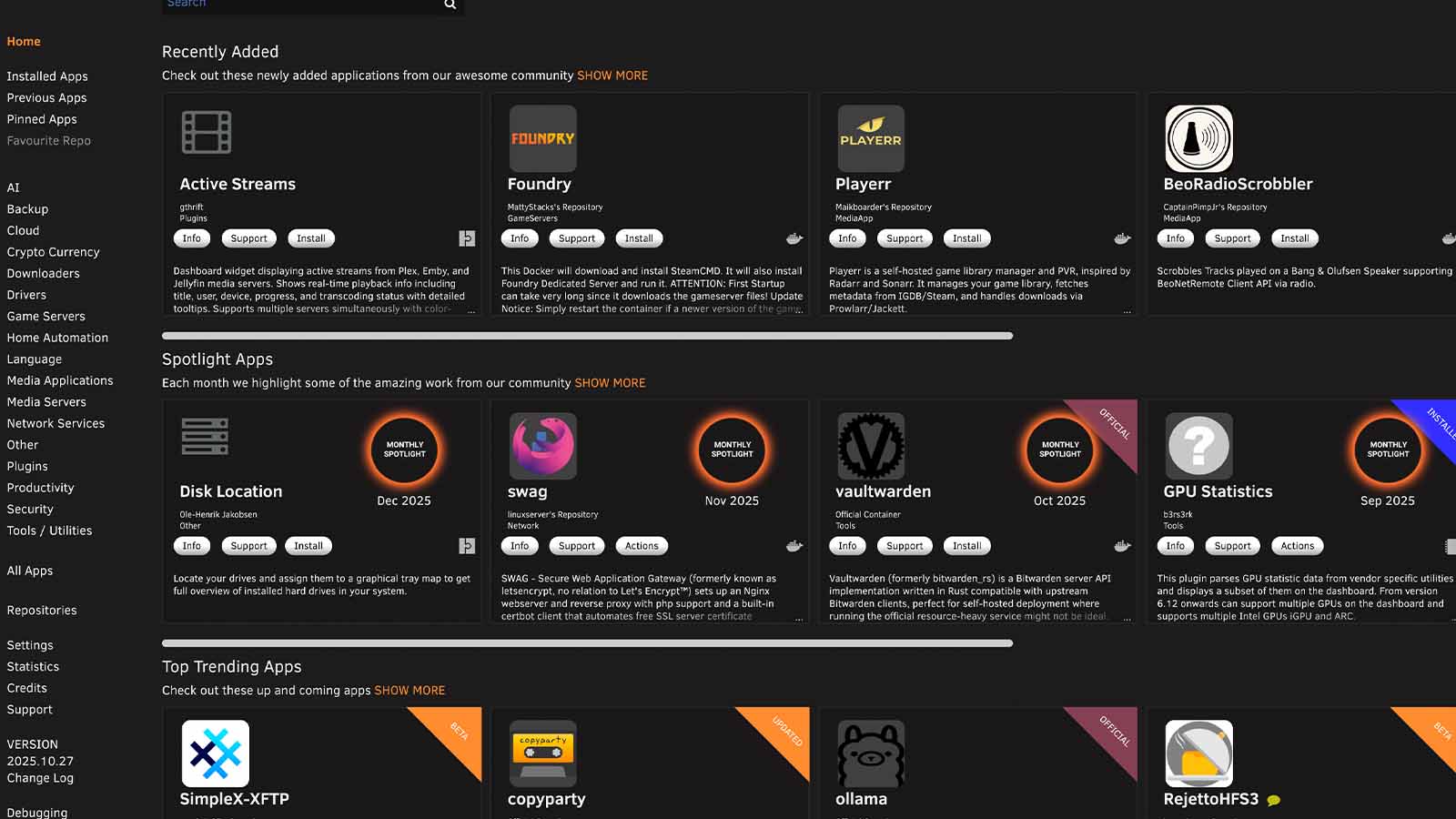
Have you ever Bing'd© "download from YouTube" only to end up on some sketchy site that installs a Chrome extension or exe? Then your laptop starts making a loud whirring noise while something screams faintly from your speakers in a language that might be Mandarin?
Yeah. We've all been there.
That's how I found yt-dlp, an open-source command-line tool i.e. the backbone of every one of those sketchy apps and sites. It wasn't beginner-friendly, but I could feel its potential. I wanted a GUI, something I could click without wandering into someone else's domain.
That led me to Docker.

Docker can be confusing at first. I've watched countless tutorials that somehow made me understand it less. But once it works, it really works. It's safe-ish, cross-platform, and most importantly, it opens the door to software that isn't ad-riddled garbage.
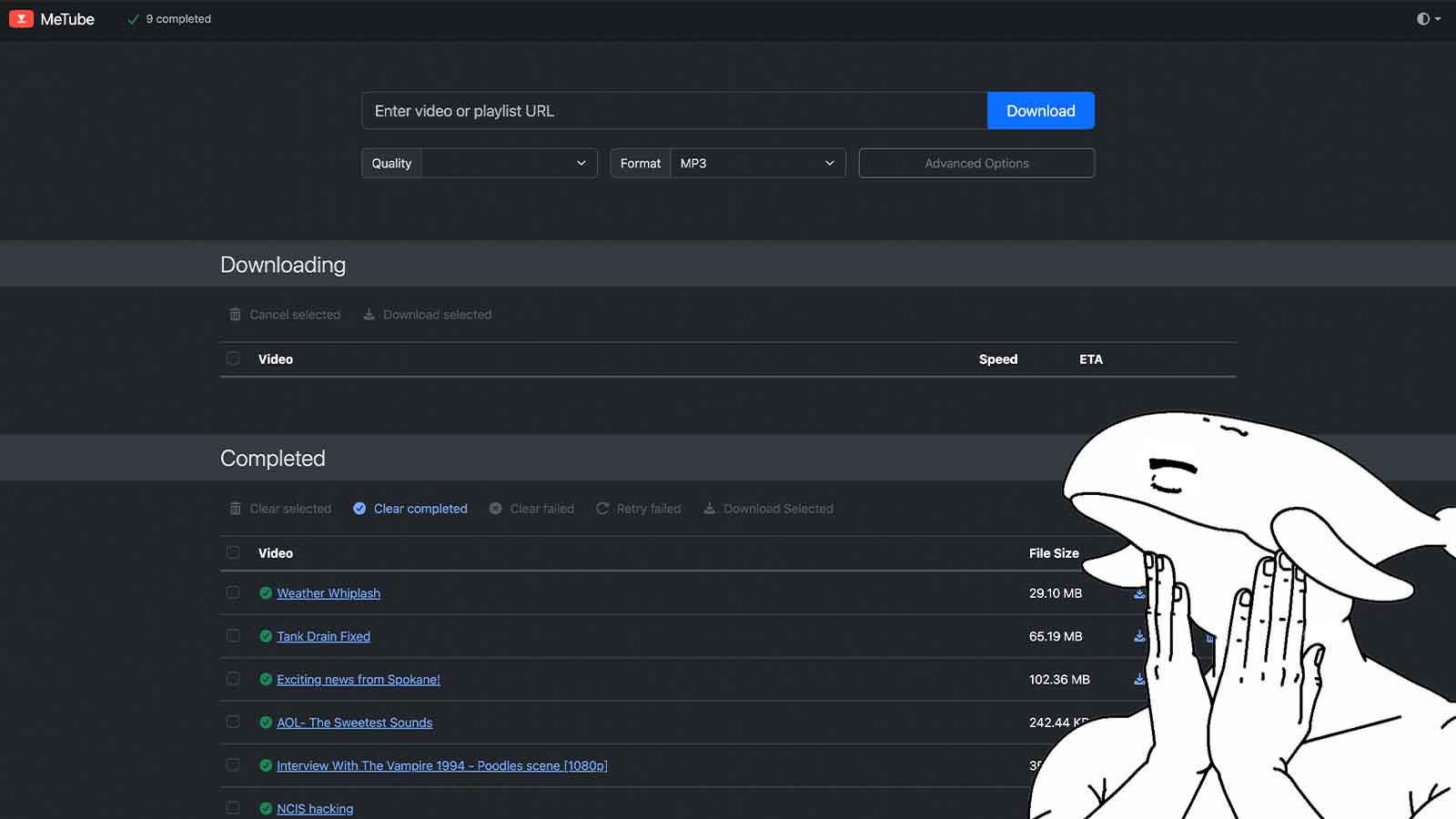
Docker has helped connect me to my kind of people: introverted penny-pinching nerds who'll spend a grand to save $200. Goodbye random exe files. Hello penguins and whales.
I won't explain how to set Docker up because, well, I don't know you. The engine itself is lightweight and agnostic. It doesn't have to run on a server, but it can. It doesn't have to run on your Windows PC or Mac, but it does. If you need a specific app, there's a good chance someone's already built six versions of it. Try them all, keep your favorite, never pay a dime. I do encourage supporting the developers if they make that option available. I buy them coffees, but so far no one's come to pick theirs up.

Here's the good news: if you have a question about your particular setup, someone probably made a Reddit post about it. And if no answer finds you, a chatbot will get you over the finish line or make you eat glue trying.
A word of warning: don't get too attached to anything. Make backups. Never put 100% of your trust into any single tool. The copy-paste dance is easy to fall into. Mistakes are fine, that's how we learn. Just don't make them with something you can't get back.
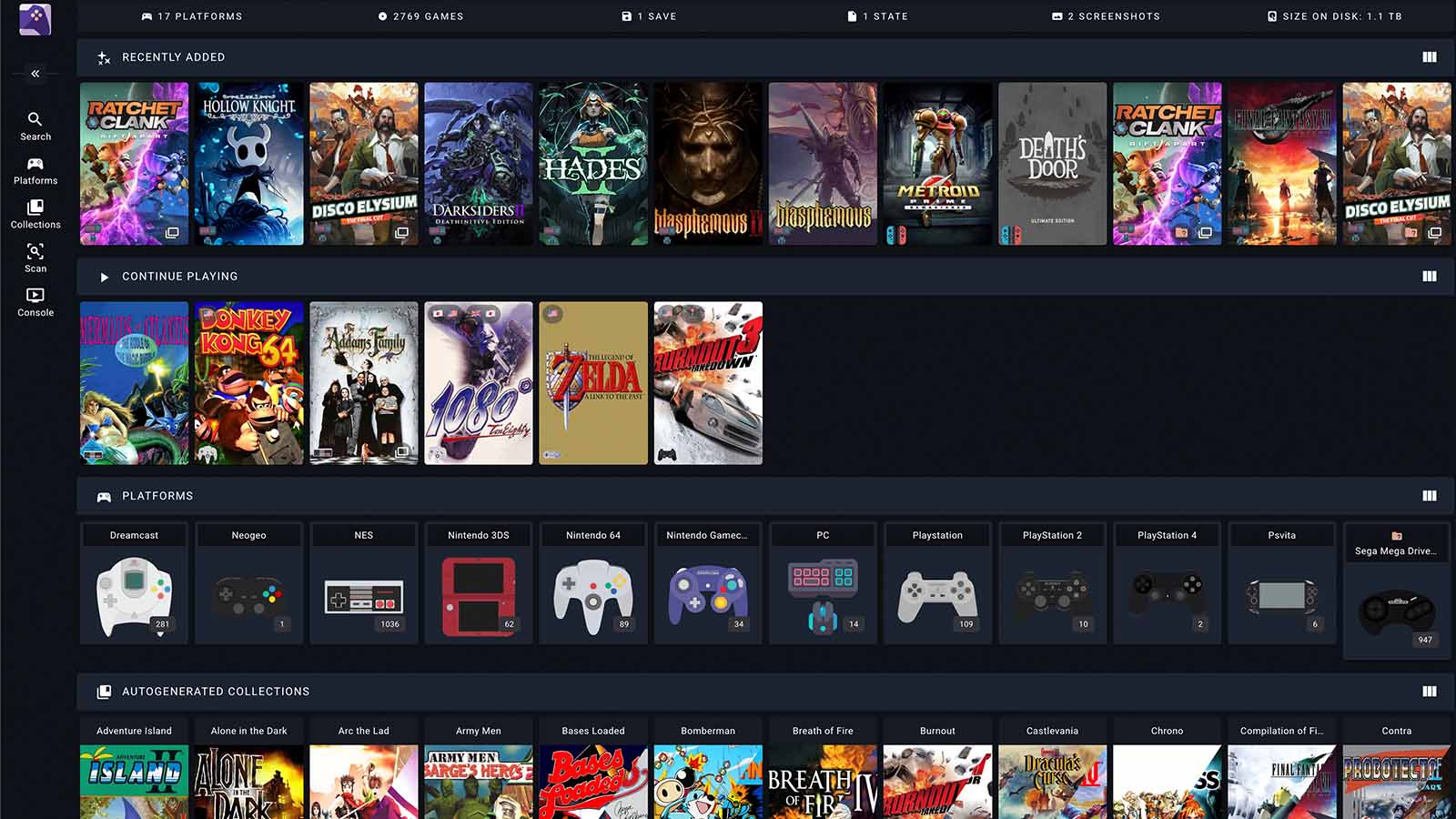
So if you're Docker curious, get started then come back and try these out sometime:
- MeTube – Local YouTube downloader
- immich - Google Photos alternative
- CopyParty – Local file share server
- RomM – Retro game manager
- Postiz – Social media blaster, alternative to Sprout Social
- n8n – Workflow automation, alternative to Zapier/Make
- nginx proxy manager – Easy to use web zone, hosting thing.
- ManyFold – 3D file organizer
- Cloudflare Tunnels – Safe, remote access to your server
Also worth checking out:
Kiwix, Mysigmail, Navidrome, Paperless-ngx, Lemmy, Invoice Ninja and Tailscale
So once you get the basics down and know the right questions to ask, you can start hosting your own blog, website, whatever you want. Yes, it'll break. It always does. But everything can be fixed.
Story time!
During the Bunkers4Everyone campaign, we did everything on the cheap. The sites ran on a Frankenstein'd PC in my office that crashed every ten days. The only costs were the domain registrar and an ever-increasing electricity bill. I've since moved the sites that need real uptime to a cloud server. It's less than $5 a month for seven sites, mostly static content. Worth it for the peace of mind.
I'll end the tech jargon journey here. I'd like to pick it back up at some point, keep talking about stuff like: 3D printing, home lab options and the joy of leaving Windows for Linux.
So here's the invitation: if building, tweaking, breaking, and fixing sounds fun to you, go for it. It beats the current free market, which isn't free or even much of a market. More like an overpriced food court inside an airport.
Once you know the right things to look for, you'll find a whole DIY shadow economy of tools that do exactly what you need. You can replace and sometimes improve what's already out there. It just takes some long nights and early mornings.
And if this all seems too complex, too niche: I agree. I didn't figure it out solo. Hell, I still haven't. I just had fun learning, with help from Google, chatbots, and a few kind souls on Discord. The rest were uppity, power-tripping lunatics...but you get what I'm saying.
Now stop whatever you're doing and download my app. Ignore any install warnings. Agree to whatever Bitcoin miner loads onto your grandma's HP Pavilion. Hit the turbo button and keep that thing running for at least six months.
Eight, tops.


